How to Choose the Right Spare Parts for Progressive Cavity Pumps
Spare parts for progressive cavity pumps determinați cât timp o pompă cu un singur șurub continuă să funcționeze fără opriri neplanificate , iar statorul, rotorul, arborele de extensie, camera de alimentare și componentele de conectare joacă fiecare un rol distinct în acest rezultat. Choosing the correct elastomer for the stator, the correct metal alloy and surface treatment for the rotor, and a properly matched extension shaft is generally more decisive for pump longevity than any other single factor in day-to-day operation. This article explains, section by section, how each screw pump accessory works, what materials are typically used, and how to match components to real operating conditions such as abrasive slurry, high-viscosity food product, or corrosive chemical media. Practical selection guidance, comparison tables, and several data visualizations are included so that plant engineers, procurement teams, and distributors can make informed decisions without guesswork. The goal is a reference that is directly useful for anyone sourcing screw pump accessories, stators for progressive cavity pumps, single screw rotors, or single screw extension shafts from a screw pumps manufacturer.
Prezentare generală a companiei: Jingjiang Meijia Pump Industry Co., Ltd.
Jingjiang Meijia Pump Industry Co., Ltd. is located at No. 36 Xintai Road, Jingjiang Economic and Technological Development Zone, Jiangsu Province. It is a professional company engaged in the production, sales, and after-sales service of single-screw pumps and high-quality single-screw pump spare parts. Meijia Pump Industry has numerous experienced, technically mature, high-quality, and fully trustworthy engineers in the design, manufacturing, inspection, and complete sets of screw pumps. Produsele cu pompe cu un singur șurub Meijia au tehnologie avansată, structură completă, forme diverse, specificații complete și durabilitate. They are widely used in industries such as environmental water treatment, chemical industry, paper and pulp, food and pharmaceutical, petrochemical, energy, etc. Meijia Pump Industry also provides universal accessories for global single screw pump brands, and its strong production capacity, rich practical experience, and mature technological advantages provide stable support for its products.
Centrul de service post-vânzare al companiei are o echipă de ingineri cu experiență pentru a oferi clienților un serviciu post-vânzare atent. After long-term and careful comparison, different users will have the same discovery: Meijia single screw pump products can operate for many years in different environments and working conditions. Meijia Pump Industry aims to be a dependable partner for engineering teams, and leaders from all walks of life are welcome to visit and exchange technical views.
Ce fac de fapt piesele de schimb pentru pompele cu cavitate progresivă
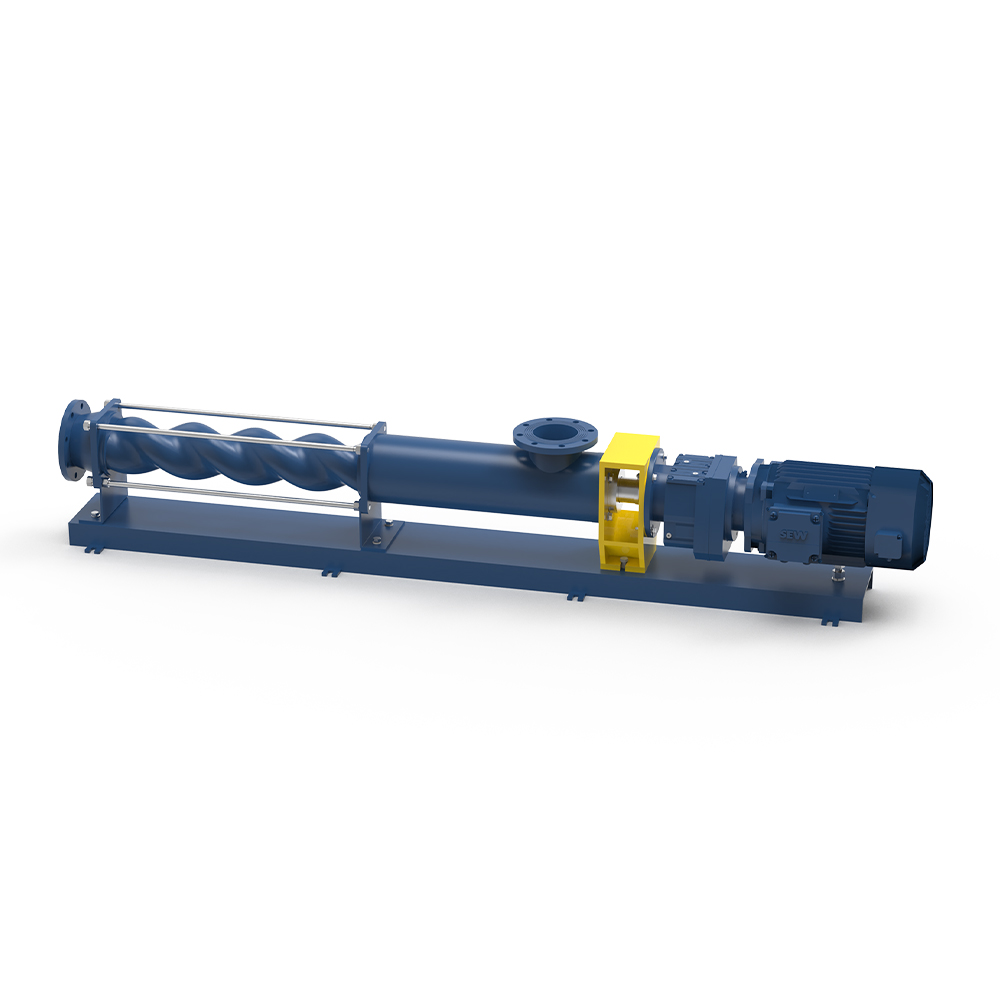
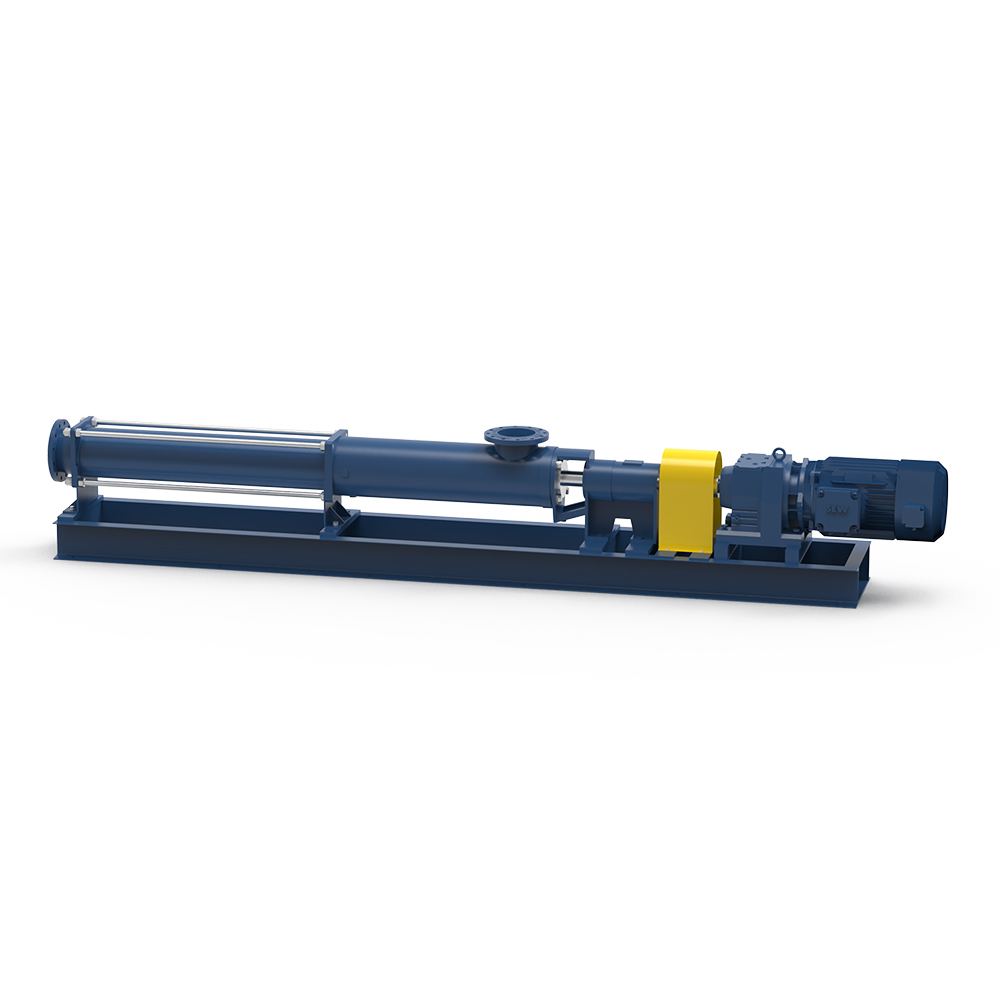
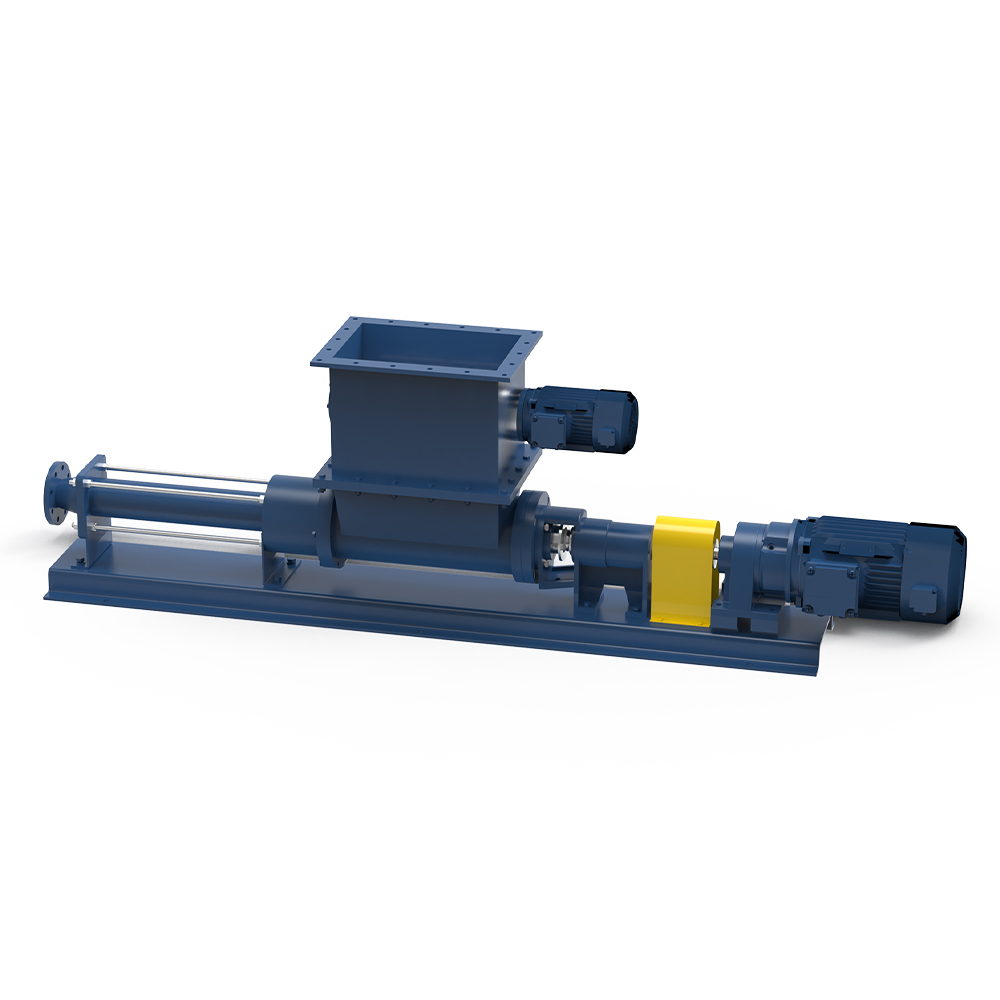
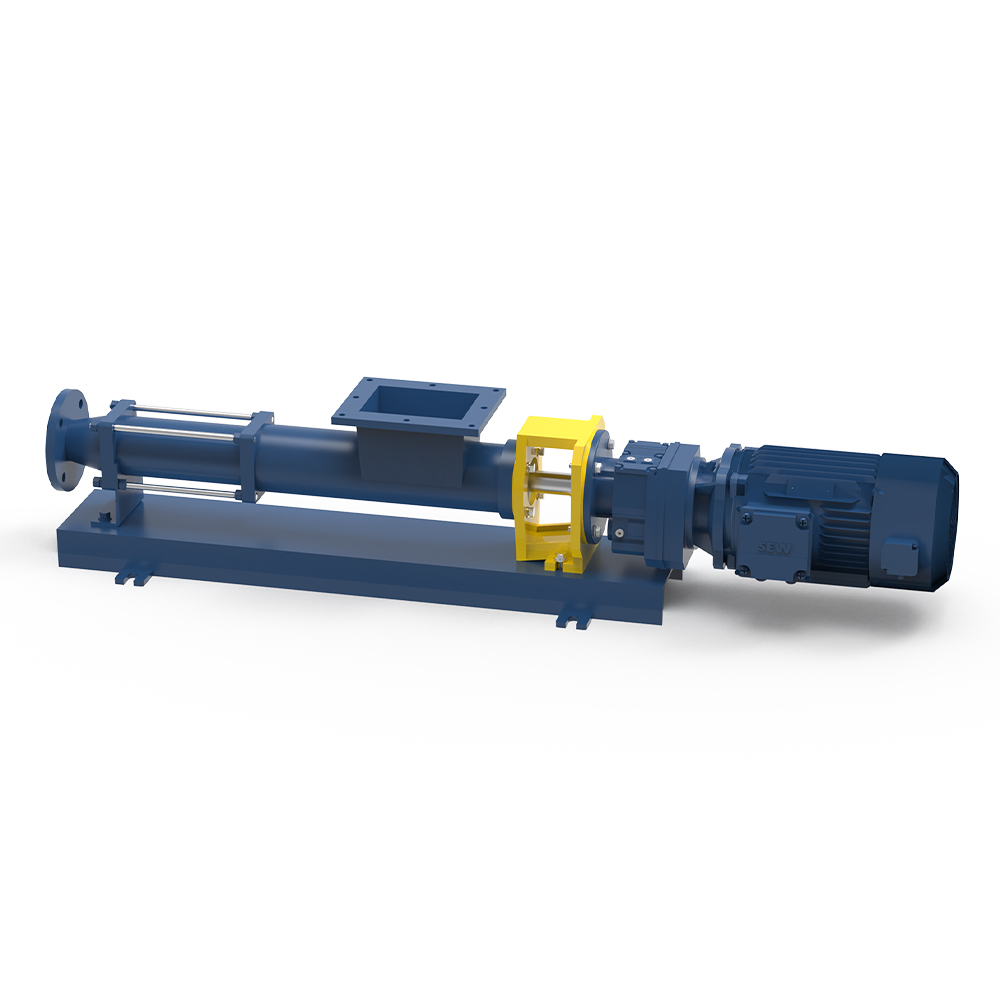
A progressive cavity pump, more commonly called a single screw pump, moves fluid through a series of sealed cavities formed between a helical metal rotor and a matching elastomeric stator. Fiecare piesă de schimb din ansamblu contribuie la acea acțiune de etanșare și pompare, astfel încât înlocuirea unei piese uzate cu una specificată incorect apare de obicei rapid ca debit redus, alunecare mai mare sau uzură prematură în altă parte a pompei. The core spare parts that a screw pumps manufacturer typically supplies include the stator, the single screw rotor, the extension shaft, the feed chamber, the direct-connected bracket, the gear motor, the universal joint, the connecting shaft, and the discharge body. Mai jos este un tabel de referință practic care rezumă fiecare componentă, opțiunile sale tipice de material și rolul său funcțional în pompă.
Tabelul 1: Accesorii comune pentru pompe cu un singur șurub și opțiuni tipice de materiale
Componentă
Materiale tipice
Funcția primară
Stator
BNR, HBNR, EPDM, FKM
Forms sealed cavities with the rotor
Rotor cu un singur șurub
304, 316L, 2205, cromat sau acoperit cu carbură de tungsten
Generates progressive cavity motion
Single screw extension shaft
Q235, 304, 316L, 2205, 2507
Extends drive length for deep tanks or pits
Camera de alimentare
Q235, 304, 316L, 2205, 2507
Guides inlet media into the rotor-stator cavity
Suport conectat direct
Fontă
Supports and aligns the drive unit
Articulație universală
Rubber-sheathed pin type or cross-shaft type
Transmits offset rotary motion to the rotor
Arborele de legătură
Q235, 304, 316L, 2205, 2507
Links universal joints along the drive line
Corp de descărcare
Q235, 304, 316L, 2205, 2507
Directs pumped media to the outlet line
Sourcing these parts from a single screw pumps manufacturer with in-house engineering, rather than piecing together mismatched components, generally reduces the risk of dimensional or tolerance mismatches at the rotor-stator interface. Acest lucru contează deoarece chiar și un stator bine făcut va avea performanțe slabe dacă este asociat cu un rotor cu pas sau profil exterior greșit.
Isometric View of the Rotor-Stator Assembly
No product photograph was supplied for this article, so the diagram below is a labeled isometric schematic rather than an actual product photo, and it is intended purely to illustrate how the main spare parts fit together mechanically. The schematic shows the single screw rotor seated inside the stator, connected through the universal joint and connecting shaft to the drive end, with the feed chamber at the inlet and the discharge body at the outlet. Viewing the assembly this way helps explain why a worn stator or a scored rotor surface causes leakage back through the cavity rather than a sudden pump failure. It also clarifies why the extension shaft length must match the tank or pit depth precisely, since an incorrect length changes the support span and can increase vibration. Reading the diagram alongside Table 1 above makes it easier to identify which spare part is likely responsible for a specific symptom such as reduced discharge pressure or unusual noise.
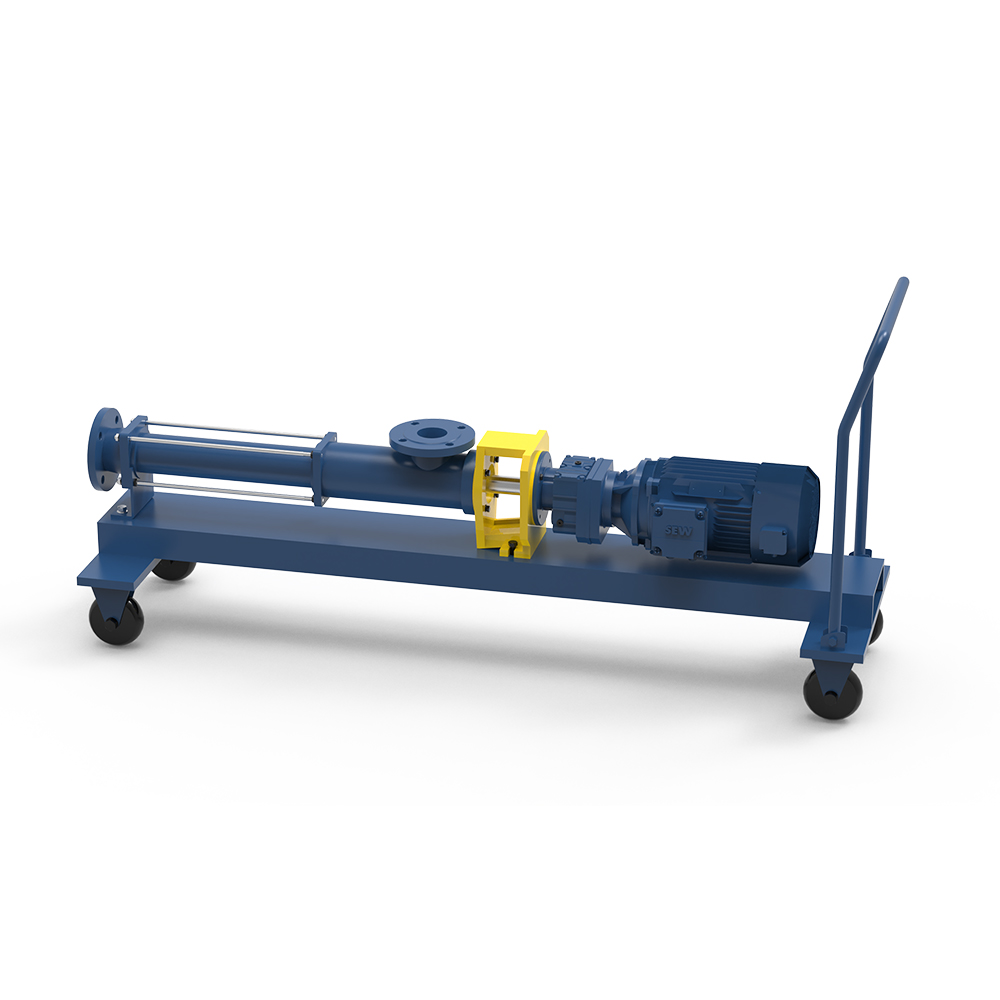
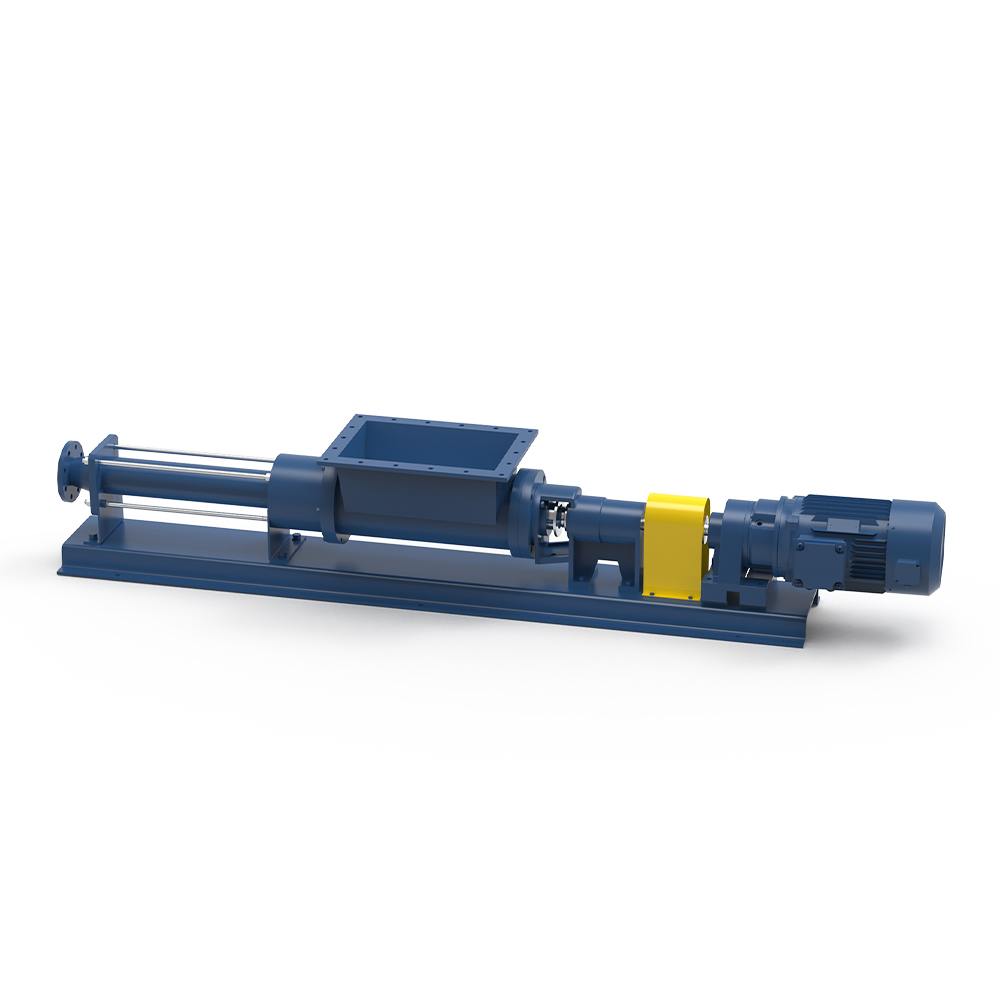
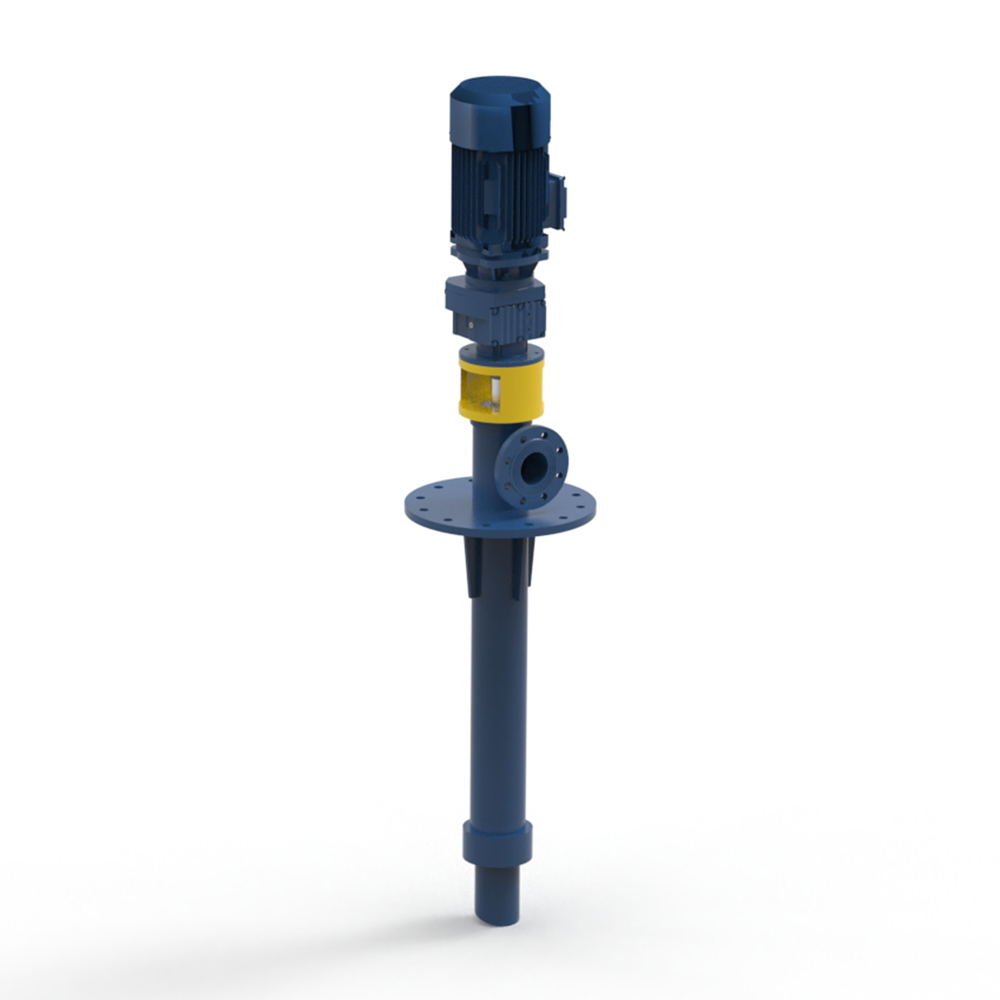
This layout is representative of a typical horizontal single screw pump configuration and can vary depending on whether the unit is a vertical screw pump, a submersible sewage screw pump, or a compact food-grade design, but the relationship between the rotor, stator, and connecting hardware stays fundamentally the same across these variants.
Stator pentru pompe cu cavitate progresivă: alegerea elastomerului potrivit
Statorul este singura componentă cea mai specifică aplicației din pompă, iar chimia sa elastomeră este cea care determină dacă pompa va tolera fluidul pe care este menită să-l manipuleze. Într-o varietate de condiții diferite, pot fi selectate o varietate de materiale, cum ar fi NBR, HNBR, EPDM și FKM, și fiecare dintre acești compuși se comportă diferit la căldură, expunere chimică și uzură abrazivă. NBR (cauciuc nitrilic) este un elastomer de uz general utilizat pe scară largă pentru mediile care conțin ulei sau medii moderat abrazive, în timp ce HNBR (nitril hidrogenat) îmbunătățește acel compus de bază cu o mai bună îmbătrânire la căldură și rezistență la ozon. EPDM is generally favored for water-based fluids, dilute acids, and alkaline media, but it is not well suited to oil-based products because petroleum products tend to cause EPDM to swell. FKM (fluoroelastomer) este de obicei selectat atunci când fluidul de proces include substanțe chimice agresive sau când temperatura de funcționare este mai mare decât ceea ce NBR sau EPDM poate tolera confortabil.
Below is a comparison chart illustrating the commonly cited operating temperature ranges for these four elastomer families, based on general elastomer engineering references rather than a single proprietary test. Diagrama folosește un format de bară orizontală, astfel încât intervalul de temperatură relativă a fiecărui compus poate fi citit dintr-o privire de la stânga la dreapta. Reading this chart alongside the fluid compatibility notes above gives a starting point for stator selection, though final confirmation should always come from the specific fluid's material safety data and the pump manufacturer's compatibility guidance. Each bar represents an approximate upper working temperature limit, and these figures are indicative rather than exact for every formulation, since compounding varies between rubber suppliers. This kind of comparison is one of the most requested pieces of information from buyers evaluating screw pump accessories for new or replacement installations.
Graficul arată că FKM oferă în general cea mai largă marjă de temperatură ridicată dintre aceste patru familii de elastomeri, motiv pentru care este specificat în mod obișnuit pentru fluide de proces fierbinte sau aplicații cu vârfuri termice intermitente. HNBR și EPDM stau strâns împreună în ceea ce privește temperatura maximă de lucru, dar sunt alese pentru diferite medii chimice, astfel încât toleranța la temperatură singură nu ar trebui să fie niciodată singurul criteriu de selecție. NBR remains a practical and widely used choice for moderate-temperature, oil-tolerant applications where cost efficiency and general-purpose performance are the priority. It is also worth noting that abrasive solids content, not just temperature and chemistry, has a major effect on stator wear life, since sharp particulates can abrade the elastomer surface faster than heat alone would degrade it. În special, pentru aplicațiile pompelor cu șurub pentru nămol și pompe cu șurub de canalizare, rezistența la abraziune și rezistența la rupere contează adesea la fel de mult ca și compatibilitatea chimică, deoarece aceste fluxuri transportă frecvent nisip, nisip și solide fibroase. Aplicațiile pompelor cu șurub alimentar necesită de obicei elastomeri care îndeplinesc standardele de conformitate cu contactul cu alimentele, pe lângă proprietățile lor mecanice, ceea ce restrânge și mai mult lista de materiale practice. În procesarea chimică, diagramele de compatibilitate publicate de producătorii de elastomeri ar trebui verificate în raport cu concentrația și temperatura specifică a substanței chimice implicate, deoarece compatibilitatea se poate schimba semnificativ în afara unei benzi de concentrație înguste. Un stator care este subdimensionat în potrivire prin interferență în raport cu rotorul poate genera, de asemenea, căldură de frecare în exces, indiferent de elastomerul utilizat, astfel încât toleranța corectă de fabricație este la fel de importantă ca și alegerea materialului. Deoarece statorul este o piesă de uzură prin proiectare, majoritatea operatorilor plănuiesc înlocuirea periodică, mai degrabă decât să se aștepte la o durată de viață nedeterminată, iar menținerea unui stator de rezervă în inventar este o practică obișnuită pentru reducerea timpului de nefuncționare. Atunci când comandați un stator de schimb pentru pompele cu cavitate progresivă, este esențială potrivirea exactă a pasului, profilului lobului și geometriei alezajului piesei originale, deoarece chiar și o nepotrivire mică cu rotorul poate cauza uzură neuniformă sau eficiență volumetrică redusă.
Rotor cu un singur șurub: opțiuni de tratare a materialelor și a suprafeței
Rotorul cu un singur șurub este componenta metalică elicoidal prelucrată cu precizie care se rotește excentric în interiorul statorului pentru a crea cavitățile în progres care mișcă fluidul prin pompă. Multiple materials are available for the rotor depending on the corrosiveness and abrasiveness of the process media, commonly including 304 stainless steel, 316L stainless steel, and 2205 duplex stainless steel. Suprafața rotorului poate primi, de asemenea, un tratament suplimentar, cum ar fi placarea cu crom sau acoperirea prin pulverizare cu carbură de tungsten, ambele menite să crească duritatea suprafeței și să reducă frecarea față de orificiul statorului. Oțelul inoxidabil 304 este o opțiune generală rentabilă pentru fluide ușor corozive, în timp ce 316L oferă rezistență îmbunătățită la cloruri și multe substanțe chimice industriale datorită conținutului său de molibden. 2205 duplex stainless steel combines a two-phase microstructure that generally provides higher mechanical strength and better resistance to chloride stress corrosion cracking than either 304 or 316L, which makes it a common choice for more demanding chemical or marine-adjacent environments.
The radar chart below compares 304, 316L, and 2205 across four qualitative performance dimensions that are commonly discussed when specifying a rotor: corrosion resistance, mechanical strength, wear resistance, and general cost efficiency. Aceste evaluări sunt ilustrative și menite să susțină o comparație relativă, mai degrabă decât să reprezinte valori certificate de laborator pentru orice căldură de aliaj specifică sau lot de furnizor. Formatul grafic a fost ales deoarece permite vizualizarea simultană a mai multor dimensiuni de performanță, ceea ce este util atunci când niciun material nu câștigă pe fiecare axă. Citirea spre exterior din centrul diagramei indică o performanță relativă mai puternică pe axa respectivă, astfel încât o formă închisă mai mare reflectă în general un material mai bine rotunjit pe cele patru criterii prezentate. Acest tip de comparație multifactorială este deosebit de relevant pentru inginerii care echilibrează materialul rotorului în funcție de durata de viață așteptată și de corozivitatea fluxului de fluid.
Graficul indică faptul că oțelul inoxidabil 2205 duplex are în general cel mai mare punctaj la rezistența la coroziune și rezistența mecanică dintre cele trei aliaje prezentate, ceea ce este în concordanță cu microstructura sa în două faze și conținutul mai mare de aliaj. 316L sits in the middle of the group, offering a meaningful step up from 304 in chloride resistance while remaining more widely available and easier to machine than 2205 in most fabrication shops. Oțelul inoxidabil 304 are de obicei rezultate bune în ceea ce privește eficiența costurilor și disponibilitatea generală, ceea ce explică de ce rămâne o alegere implicită comună pentru fluide mai puțin agresive, cum ar fi apa curată sau fluxurile de proces ușor contaminate. None of the three alloys is a universal answer, and the correct choice depends heavily on chloride concentration, pH, temperature, and the presence of abrasive solids in the pumped fluid. Acoperirile de suprafață, cum ar fi cromarea sau pulverizarea cu carbură de tungsten pot prelungi în mod semnificativ durata de viață a rotorului în serviciul abraziv prin creșterea durității suprafeței dincolo de ceea ce oferă doar aliajul de bază, ceea ce este deosebit de relevant pentru instalațiile de pompe cu șurub de nămol și pompe verticale cu șurub care manipulează medii încărcate cu nisip. Acoperirile cu carbură de tungsten sunt în general asociate cu o rezistență la abraziune mai mare decât placarea cu crom, deși procesul de acoperire și pregătirea substratului afectează, de asemenea, rezultatul final. When specifying a replacement single screw rotor, matching the original pitch, diameter, and profile geometry to the stator is just as important as selecting the correct base material, since a geometric mismatch will reduce pump efficiency regardless of how corrosion-resistant the alloy is. Pentru aplicațiile cu pompe cu șurub alimentar, finisarea suprafeței și curățarea sunt considerații suplimentare alături de rezistența la coroziune, deoarece o suprafață mai netedă și bine lustruită a rotorului este în general mai ușor de păstrat sanitar. Cumpărătorii care achiziționează un singur rotor cu șurub de la un producător de pompe cu șurub ar trebui să confirme atât certificarea aliajului, cât și toleranța dimensională a profilului prelucrat înainte de instalare. Correct rotor and stator pairing, verified at the time of purchase, remains one of the most reliable ways to avoid premature wear after a spare parts replacement.
Single Screw Extension Shaft: Sizing for Depth and Application
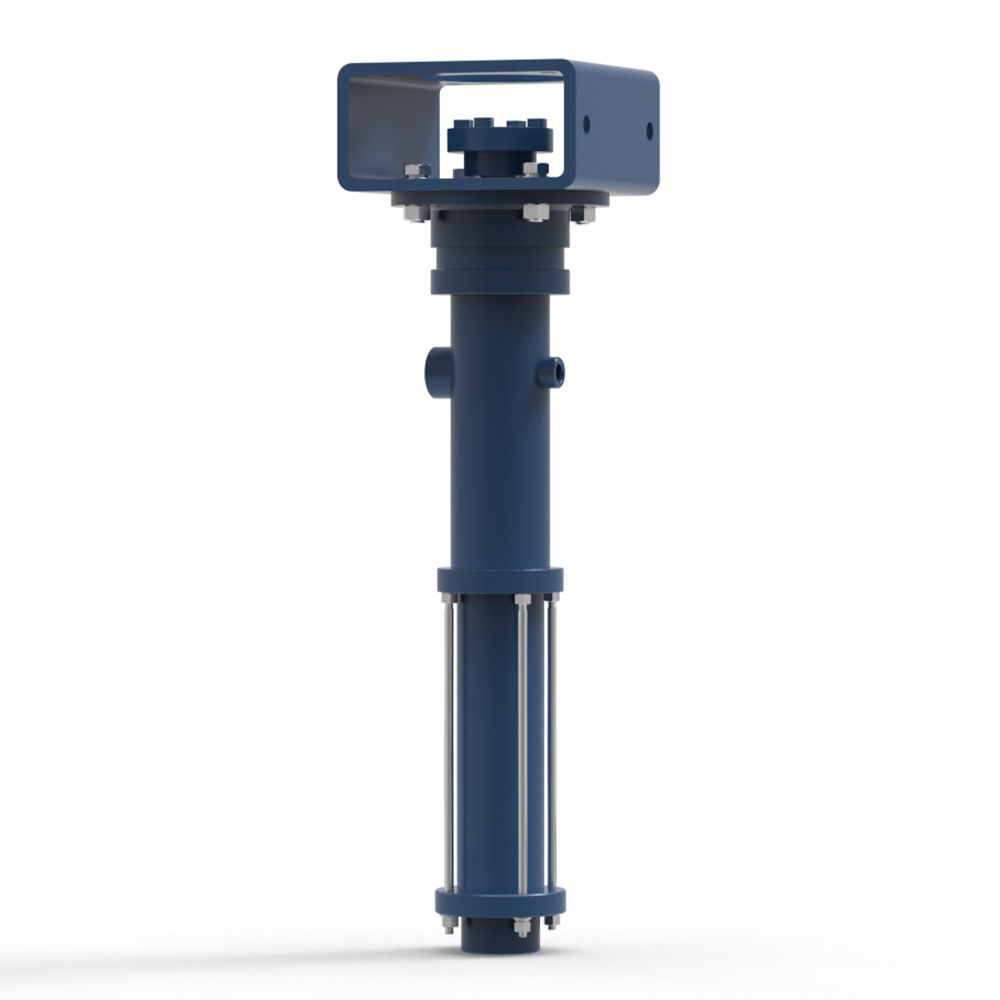
The single screw extension shaft is used whenever the pump drive needs to be positioned above a deep tank, sump, or pit while the rotor and stator remain submerged or positioned at the bottom of the vessel. Sunt disponibile mai multe materiale pentru arborele de extensie, inclusiv oțel carbon Q235, oțel inoxidabil 304 și 316L și opțiuni cu aliaje mai mari, cum ar fi oțel inoxidabil duplex 2205 și 2507, permițând ca materialul arborelui să fie adaptat la corozivitatea mediului înconjurător, mai degrabă decât doar fluidul pompat. Oțelul carbon Q235 este, de obicei, cea mai economică opțiune și este, în general, potrivit pentru servicii non-corozive sau ușor corozive, în timp ce oțelul inoxidabil 304 și 316L este ales atunci când arborele este expus la umiditate, substanțe chimice blânde sau condiții de spălare comune în setările de tratare a alimentelor și apei. Oțelurile inoxidabile duplex 2205 și 2507 sunt rezervate pentru cele mai exigente cerințe corozive sau de înaltă rezistență, cum ar fi instalațiile de pompe cu șurub pentru canalizare adâncă sau gropile agresive de reținere a substanțelor chimice unde integritatea structurală pe termen lung este critică. Correct shaft length and diameter selection also affects vibration behavior, since an extension shaft that is too long relative to its diameter can develop excessive deflection or resonance at operating speed.
Graficul cu zone de mai jos ilustrează o relație generalizată, nespecifică de marcă, între adâncimea obișnuită de instalare a pompei scufundate și categoria generală a arborelui de prelungire utilizat în mod obișnuit la acel interval de adâncime, bazată pe practica obișnuită a industriei pentru pompele verticale cu șurub și instalațiile de pompe submersibile cu șurub pentru ape uzate. This is intended as a general planning reference rather than an engineering calculation, and actual shaft sizing should always be confirmed through a proper mechanical design review that accounts for shaft critical speed, bearing spacing, and support bracket placement. The chart uses a filled area format to emphasize the cumulative range of application depth rather than a single data point, which better reflects how these installations vary across different plant layouts. Citirea graficului de la stânga la dreapta arată cât de mult instalațiile mai adânci necesită, în general, o categorie de arbori mai grele cu rulmenți intermediari suplimentari. This is one of the more frequently asked sizing questions when procurement teams are ordering a single screw extension shaft as a replacement part or for a new installation.
The chart shows a generally upward trend, meaning that as installation depth increases, the extension shaft category tends to move toward heavier-duty designs, typically with intermediate bearing support to control deflection. At shallow depths, a standard-diameter shaft in a lighter material such as Q235 or 304 stainless is often sufficient because the unsupported span is short and vibration risk is limited. As depth increases into the two-to-four meter range, many installations begin to require an intermediate support bearing to keep the shaft within safe deflection limits, particularly when the pump is handling variable-density media such as sludge. Beyond four to six meters, larger diameter shafts and higher-grade materials such as 316L or duplex stainless steel become more common due to the combined effects of hydrostatic pressure, potential corrosion exposure, and the need for greater bending stiffness. Instalațiile cu adâncime mai mare de șase metri, care sunt mai tipice în aplicațiile mari de pompe municipale cu șurub pentru ape uzate, necesită, în general, un arbore complet proiectat și un aranjament de rulmenți, mai degrabă decât o lungime standard de catalog. It is worth emphasizing that pit depth is only one variable in shaft selection, and rotational speed, fluid density, and the presence of solids all influence the final design as well. Extension shafts are also a wear item at their coupling points, particularly where they interface with universal joints, so periodic inspection of these connection points is a reasonable part of routine maintenance. When ordering a replacement single screw extension shaft, providing the exact original length, diameter, and end-connection type to the screw pumps manufacturer helps avoid a mismatch that could otherwise require rework during installation. For plants standardizing on a small number of pump models, keeping a correctly sized spare extension shaft in inventory can meaningfully reduce the time needed to return a pump to service after an unplanned shutdown. Because the extension shaft directly affects the mechanical stability of the entire rotating assembly, its specification should never be treated as an afterthought relative to the rotor and stator selection discussed earlier in this article.
Where Single Screw Pumps Are Used Across Industry
Single screw pumps and their spare parts are used across a wide range of industrial sectors because the progressive cavity design handles viscous, shear-sensitive, and solids-laden fluids more gently than many other pump types. Environmental and municipal water treatment plants commonly rely on sewage screw pumps and sludge screw pumps to move raw sewage, thickened sludge, and dewatered cake through the treatment process without excessive shearing of solids. chimică processing facilities use single screw pumps to transfer corrosive or high-viscosity fluids where consistent, low-pulsation flow is important for downstream process control. Food and pharmaceutical producers often specify a food screw pump built with sanitary-compliant materials and surface finishes to move products such as sauces, pastes, and creams without damaging product texture. Paper and pulp mills, petrochemical plants, and energy facilities round out the major sectors where these pumps are commonly deployed, generally because of their ability to handle abrasive, viscous, or multiphase media reliably.
The donut chart below presents a generalized, illustrative distribution of single screw pump applications across these major industry segments, intended to give readers a general sense of where this pump technology sees the broadest use rather than to represent a precise market survey. Each segment of the ring corresponds to one industry category, and the relative size of each segment is meant only as a general indication rather than an exact statistic. This visualization style was chosen because it communicates proportional share clearly while remaining compact and easy to scan. The distribution reflects general industry patterns commonly referenced in pump engineering literature rather than any single audited data source. Readers evaluating which spare parts strategy applies to their own facility can use this chart as a starting point for understanding how their industry typically approaches screw pump maintenance.
Water and environmental treatment generally represents one of the largest application segments for single screw pumps, which aligns with the widespread use of sewage screw pumps and sludge screw pumps for handling raw influent, digested sludge, and dewatered biosolids at municipal and industrial treatment sites. Chemical processing is typically the next largest segment, reflecting the pump's ability to transfer viscous or corrosive fluids at controlled, low-pulsation flow rates that many chemical processes require. Food and pharmaceutical applications occupy a meaningful share as well, driven by the need for gentle handling of shear-sensitive products and the availability of sanitary-compliant stator elastomers and rotor finishes. Paper and pulp, petrochemical, and energy sectors round out the remaining share, each relying on the pump's ability to handle high-viscosity or abrasive media that would challenge conventional centrifugal pumps. This general distribution helps explain why a screw pumps manufacturer typically stocks a broad range of elastomer compounds and alloy grades rather than a single standard configuration, since customer needs vary significantly by sector. For facilities operating across more than one of these categories, standardizing on a smaller number of pump models with interchangeable screw pump accessories can simplify spare parts inventory management considerably. Understanding which segment a given facility falls into is a useful starting point when deciding which stator elastomer and rotor alloy combination to prioritize when planning spare parts stock. It also helps set realistic expectations for maintenance intervals, since abrasive-duty sectors such as water and environmental treatment generally require more frequent stator replacement than lower-solids sectors such as food processing.
Matching Elastomer and Alloy Choices to Industry Conditions
Selecting screw pump accessories is ultimately about matching material properties to the specific conditions of the fluid and the operating environment rather than defaulting to the same combination for every installation. Abrasive solids content, chemical aggressiveness, operating temperature, and sanitary requirements all interact to determine which stator elastomer and rotor alloy will perform best in a given application. A heatmap style comparison is useful here because it can show, at a glance, how well each of the four common stator elastomers is generally suited to each of the major industry segments discussed above. This kind of matrix view helps procurement and maintenance teams cross-reference their specific industry against the material options without having to read through separate paragraphs for each combination. The color intensity in the grid below reflects a general suitability rating rather than a certified test result, and it should be used as a starting point for discussion with an application engineer rather than a final specification.
The heatmap shows that NBR generally rates strongest in water and environmental applications and less favorably in petrochemical or energy settings, which is consistent with its more limited resistance to certain hydrocarbon-based fluids compared with FKM. FKM, by contrast, generally rates strongest in petrochemical and energy applications, reflecting its broader chemical resistance and higher temperature tolerance, but it is often a less necessary choice for straightforward water treatment duty where a lower-cost elastomer performs adequately. EPDM shows a strong general fit for water and environmental service as well as for paper and pulp applications, both of which frequently involve water-based or mildly alkaline process streams that suit EPDM's chemical resistance profile. HNBR sits in a middle position across most categories, offering a reasonable balance of heat resistance and chemical tolerance that makes it a workable choice when neither NBR nor EPDM fully meets the requirement but FKM is not strictly necessary. Food and pharmaceutical applications show a more conditional pattern across all four elastomers, since sanitary compliance certification, not just chemical resistance, is often the deciding factor in that sector. This reinforces the point made earlier in the stator selection section, that abrasion resistance, chemical compatibility, temperature tolerance, and, in some sectors, regulatory compliance all need to be considered together rather than in isolation. Procurement teams working with a screw pumps manufacturer should share as much detail as possible about their fluid composition, temperature range, and solids content so that the elastomer recommendation is grounded in the actual operating conditions rather than a generic default. Because stator wear is often the first sign of a mismatch between elastomer and fluid, tracking stator replacement frequency over time can itself serve as a useful diagnostic signal that the current material selection may need to be revisited.
Practical Checklist for Ordering Replacement Spare Parts
Ordering the correct spare parts for progressive cavity pumps the first time avoids the cost and delay of a second shipment, and a short checklist can help procurement teams gather the right information before contacting a supplier. The list below covers the details most commonly requested by a screw pumps manufacturer when quoting a stator, single screw rotor, or single screw extension shaft.
Pump model number or nameplate data, including manufacturer and series if known
Rotor and stator dimensions, including pitch length, outer diameter, and bore profile
Process fluid description, including viscosity, temperature range, and solids content
Required elastomer type for the stator, or a request for a compatibility recommendation
Required rotor alloy and any surface coating preference, such as chrome plating or tungsten carbide
Extension shaft length, diameter, and end-connection type if the pump is installed in a deep pit or tank
Any special sanitary, food-contact, or industry-specific compliance requirements
Providing this information up front generally shortens the quotation and lead-time process considerably, since it reduces the number of clarifying questions needed before a supplier can confirm a matching part. It is also good practice to keep a written record of previously supplied part numbers and material grades for each pump in service, since this record becomes the fastest reference point during an unplanned breakdown. Facilities that standardize their spare parts documentation tend to experience shorter downtime windows when a stator or rotor eventually needs replacement, simply because the correct specification is already on file rather than needing to be re-derived from a worn or damaged part.
Working with a Screw Pumps Manufacturer for Complete Accessories
Beyond the stator, rotor, and extension shaft, a complete single screw pump also depends on supporting hardware such as the direct-connected bracket, the gear motor, the universal joint, the connecting shaft, and the discharge body, all of which need to work together as a matched set. The direct-connected bracket, typically made of cast iron, supports and aligns the drive unit relative to the pump body, and its dimensional accuracy directly affects shaft alignment and vibration levels. Gear motors used on single screw pumps commonly come from established industrial drive brands, and matching the correct gear ratio and mounting configuration is important for achieving the intended pump speed and torque output. The universal joint, available in rubber-sheathed pin designs as well as cross-shaft designs, accommodates the eccentric motion of the rotor while transmitting torque from the drive line, and its wear condition should be checked periodically since joint wear can introduce backlash and vibration. The connecting shaft and discharge body, both available in a range of materials from Q235 carbon steel through 2507 duplex stainless steel, complete the flow path and structural connection between the drive end and the pump outlet.
Sourcing all of these screw pump accessories from a single, experienced manufacturer rather than assembling parts from multiple unrelated suppliers generally reduces the risk of interface mismatches between components. Jingjiang Meijia Pump Industry Co., Ltd. produces and supplies the full range of these parts, including universal accessories compatible with a wide range of global single screw pump brands, drawing on the company's manufacturing capacity and practical field experience. This approach is particularly useful for plants that operate a mixed fleet of pump brands and want to consolidate their spare parts sourcing with a single wholesale supplier rather than tracking down individual components from the original equipment brand for each unit. Working directly with a manufacturer also generally shortens the technical clarification process, since engineering questions about tolerance, material certification, or coating specification can be answered by the same team that produces the part.
Întrebări frecvente
Î1: Cât de des ar trebui înlocuit statorul pe o singură pompă cu șurub?
Replacement frequency depends on abrasive solids content, temperature, and chemical exposure, so there is no single fixed interval. Monitoring discharge pressure and flow output over time is a practical way to notice gradual stator wear before it affects process performance.
Î2: Pot fi utilizate statoarele NBR pentru aplicații de procesare chimică?
NBR is generally more suited to oil-containing or moderately abrasive media rather than aggressive chemical streams. For chemical processing, HNBR or FKM are typically better starting points, and the specific fluid should be checked against elastomer compatibility guidance.
Î3: Ce determină dacă un singur rotor cu șurub ar trebui să fie 304, 316L sau 2205?
Chloride content, pH, and overall corrosiveness of the process fluid are the main deciding factors. 304 is generally suited to milder conditions, 316L handles moderate chloride exposure, and 2205 is typically reserved for the most demanding corrosive or high-strength requirements.
Î4: Are un singur arbore de extensie cu șurub nevoie de sprijin intermediar la fiecare adâncime de instalare?
Shallow installations often do not require intermediate support, but deeper installations generally benefit from additional bearing support to control shaft deflection and vibration. The exact requirement depends on shaft diameter, material, and rotational speed, so a proper mechanical review is recommended for deeper pits.
Î5: Meijia Pump Industry poate furniza piese de schimb compatibile cu alte mărci de pompe cu un singur șurub?
Yes, Meijia Pump Industry produces universal accessories for a wide range of global single screw pump brands, in addition to its own complete single screw pump product line. Furnizarea dimensiunilor componentelor existente sau a datelor plăcuței de identificare ajută la confirmarea compatibilității înainte de a comanda.