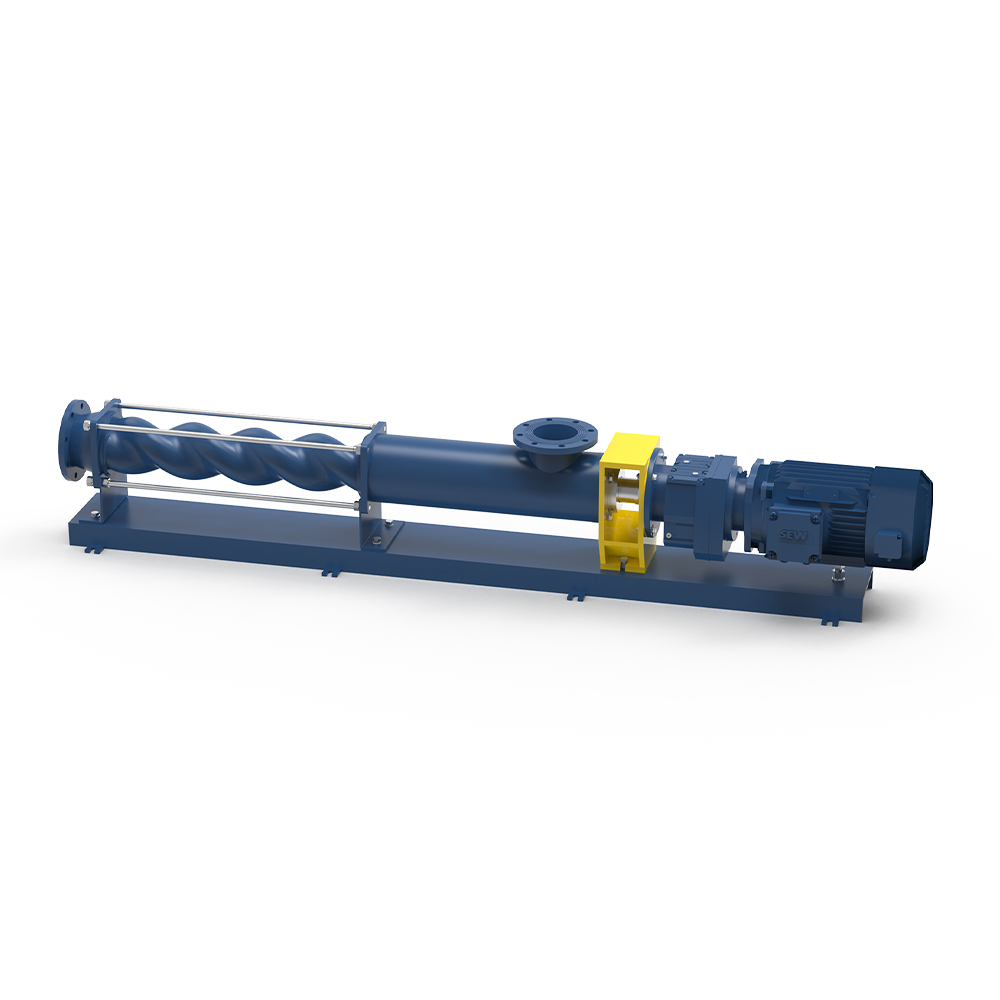
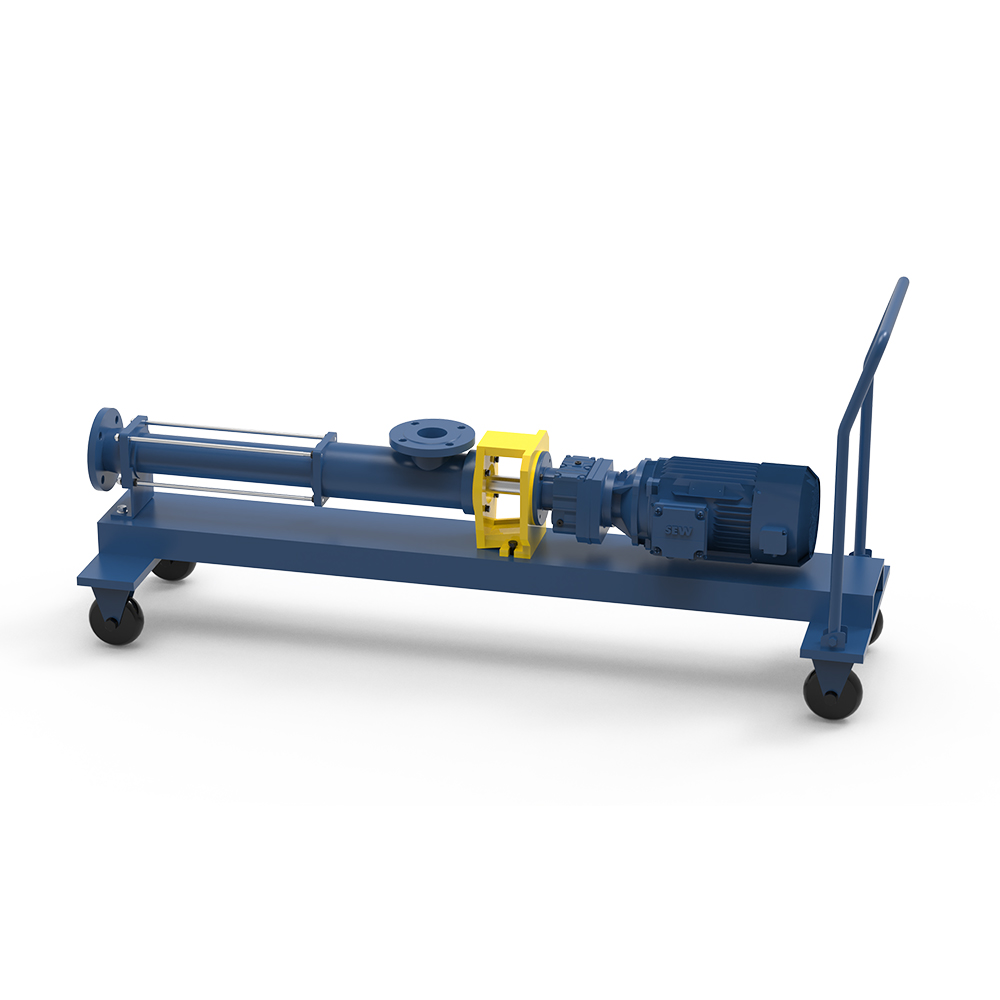
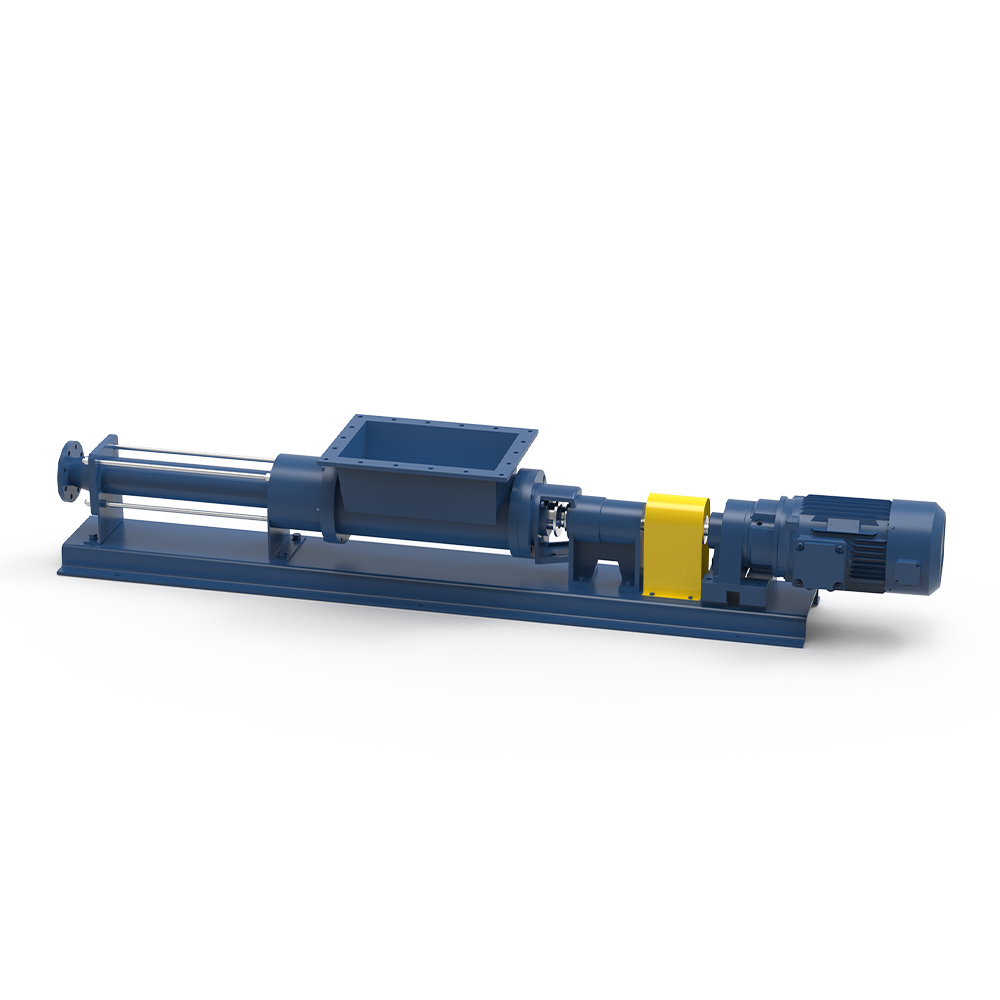
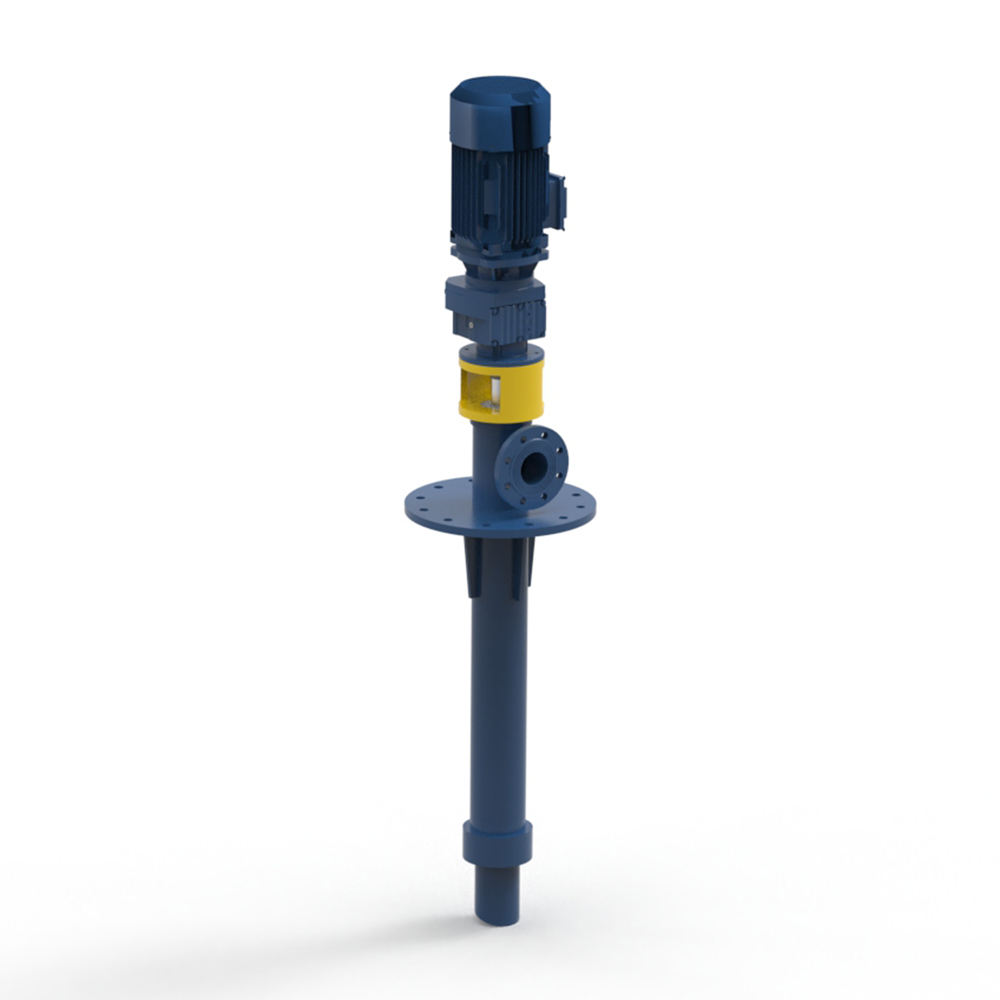
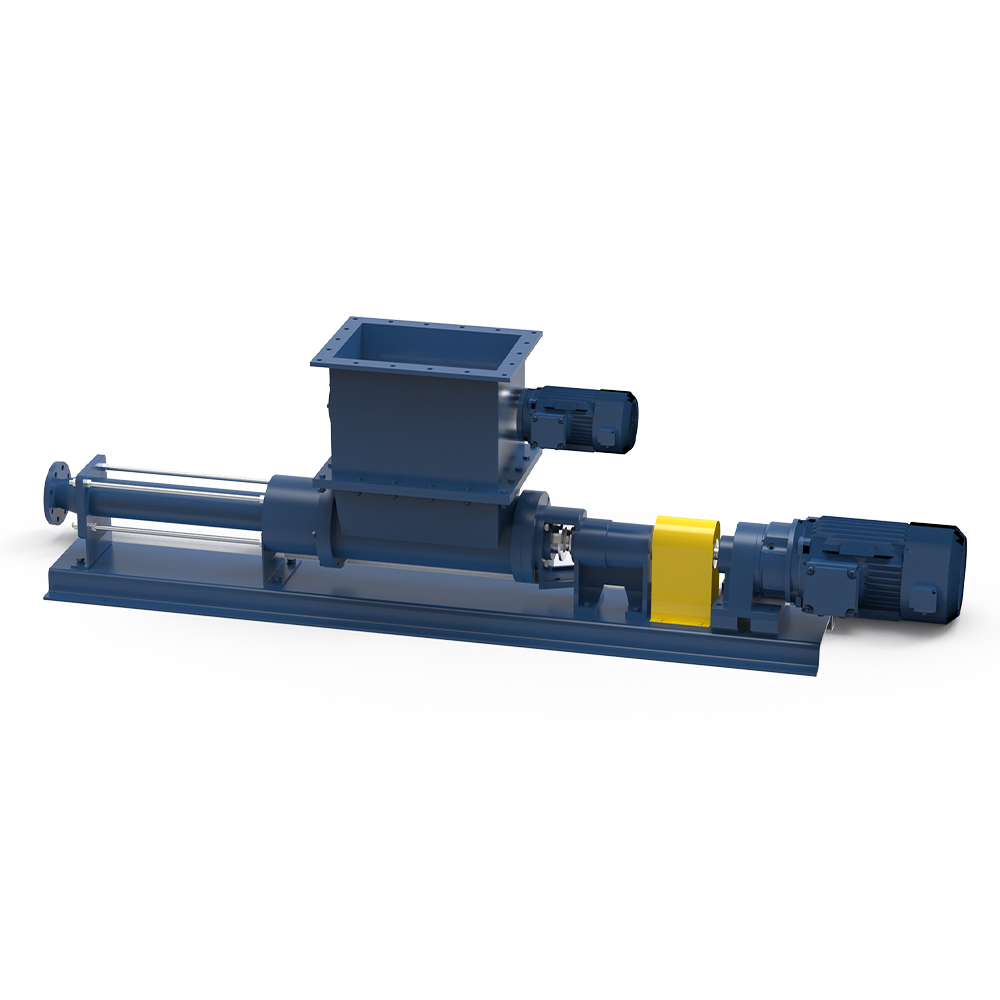
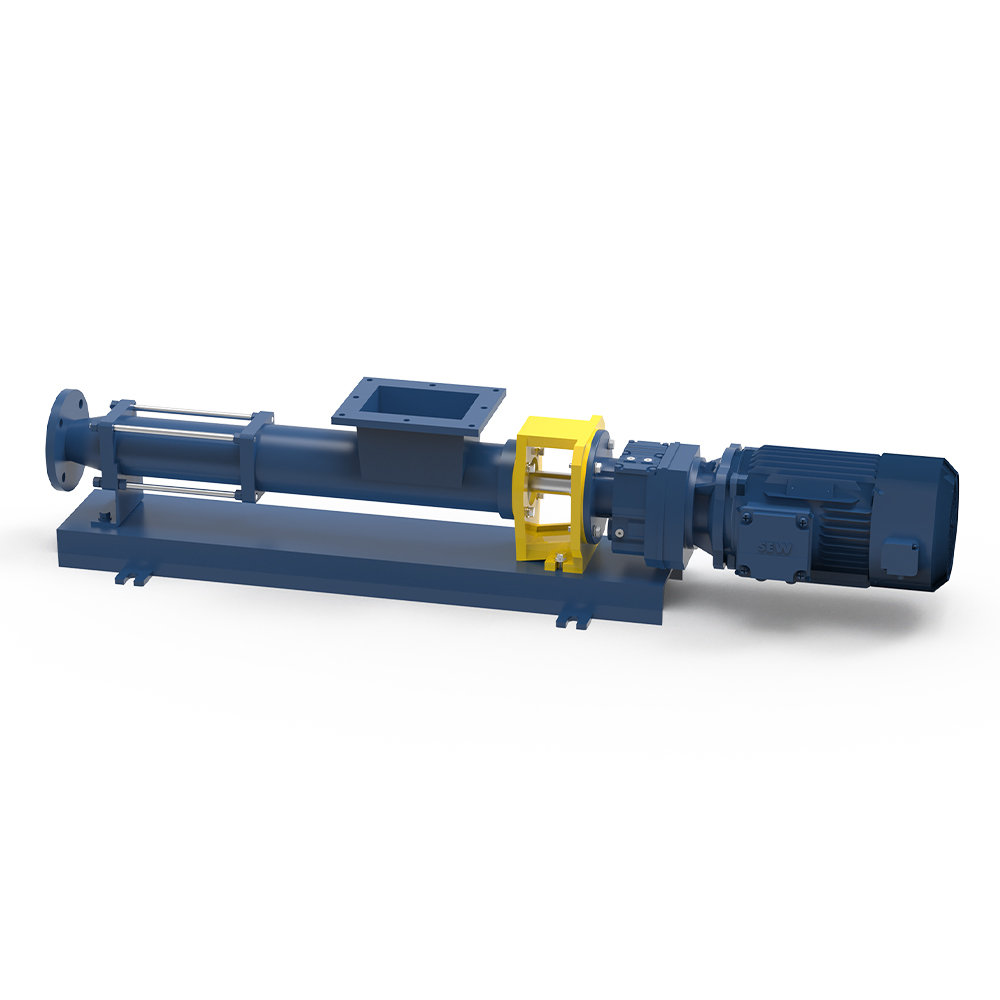
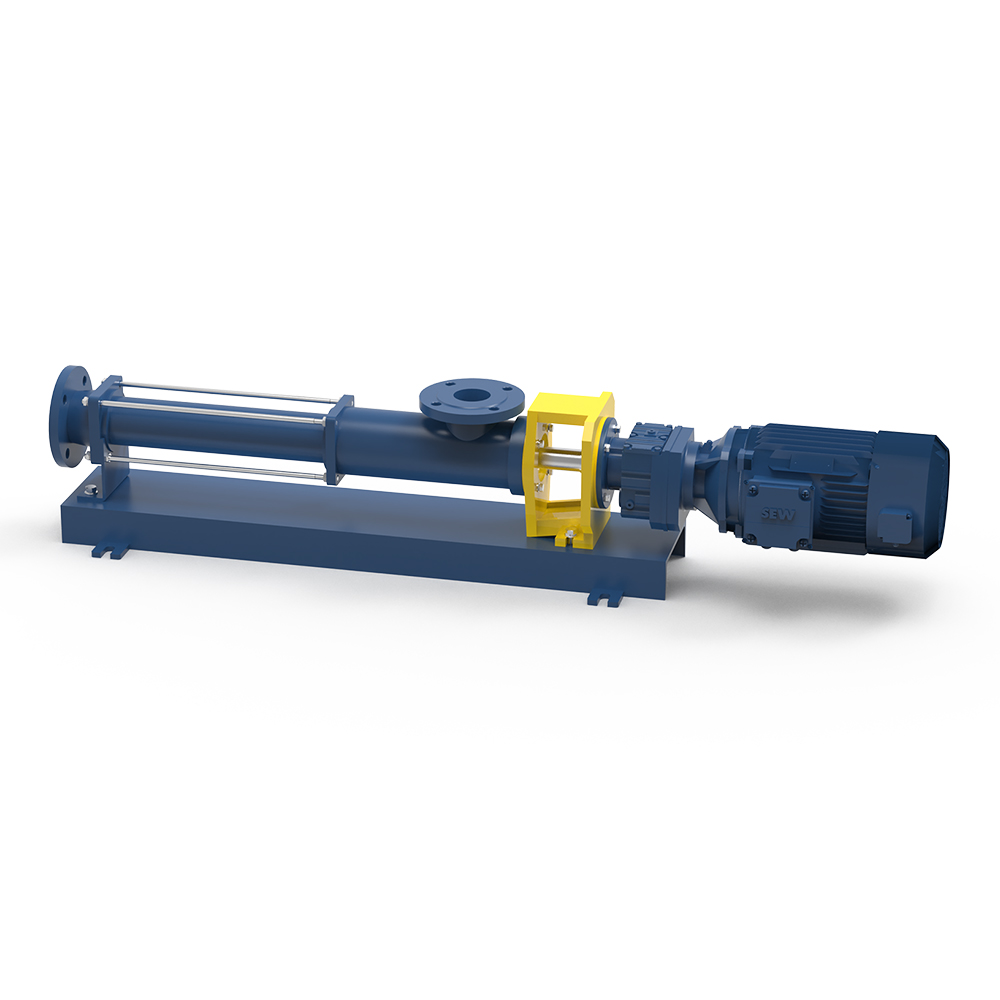
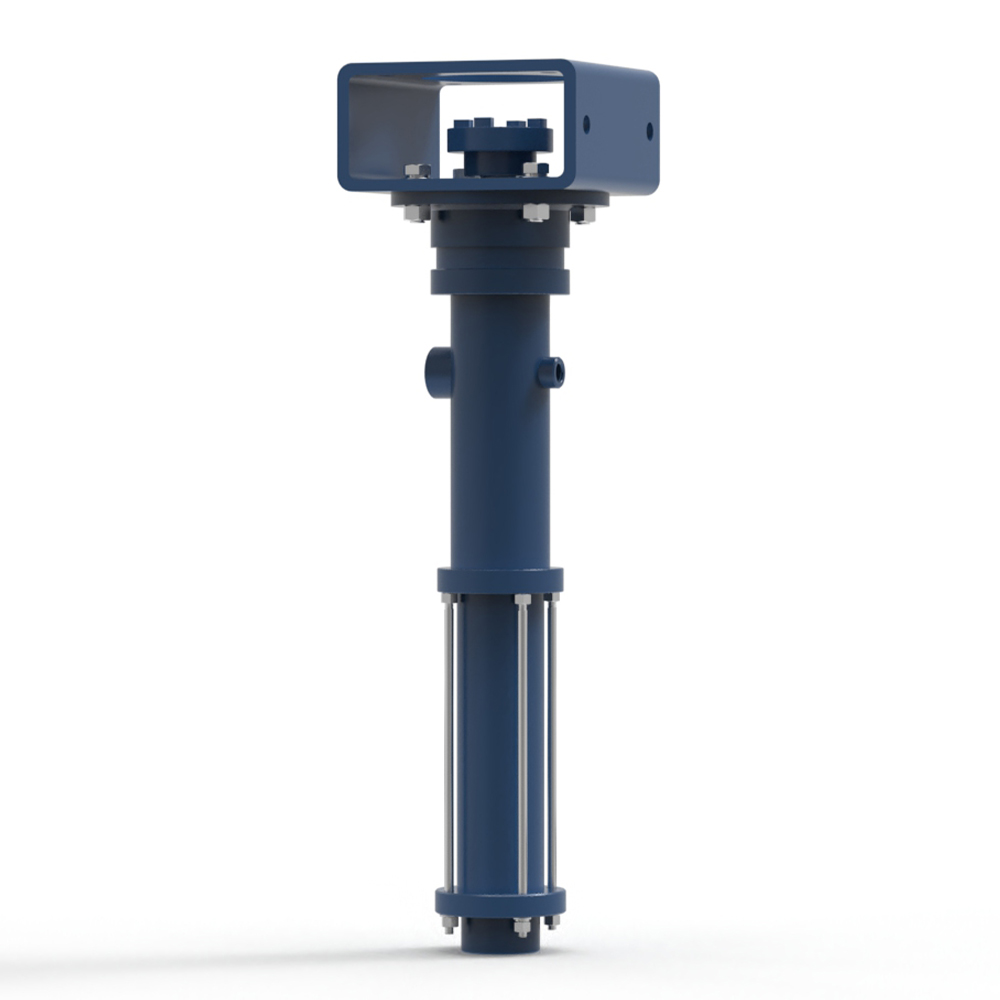
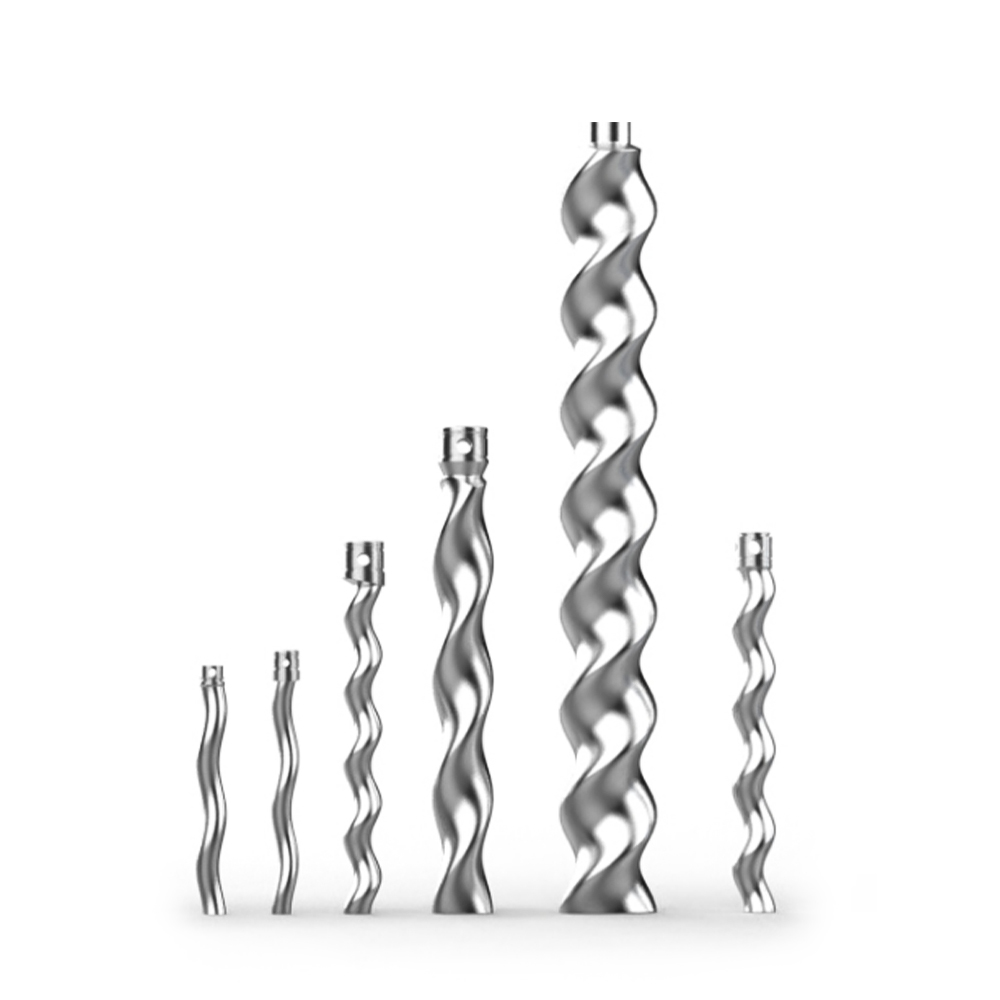
O pompă cu un singur șurub (cunoscută și ca pompă cu cavitate progresivă) îndeplinește trei funcții principale: flux măsurat de fluide vâscoase , transfer cu pulsații reduse al materialelor sensibile la forfecare , și ridicarea cu autoamorsare a amestecurilor multifazice . Spre deosebire de pompele centrifuge, o pompă cu un singur șurub furnizează un debit constant, liniar, direct proporțional cu viteza sa de rotație - obținând de obicei eficiențe volumetrice peste 95% într-un interval larg de presiune.
Această performanță unică îl face indispensabil în industriile, de la petrol și gaze până la procesarea alimentelor și tratarea apelor uzate. Mai jos, explorăm fiecare funcție cu date măsurabile și exemple practice.
Funcția 1: Măsurarea și dozarea precisă a fluidelor de înaltă vâscozitate
Pompele cu un singur șurub funcționează ca dispozitive de măsurare cu deplasare pozitivă . Fiecare rotatie deplaseaza un volum fix (de la 0,005 la peste 2.500 litri) indiferent de presiunea de refulare. Precizia debitului rămâne în mod obișnuit ±0,5% până la ±1% când este dimensionat corespunzător.
Exemplu real: injecția de polimeri în câmpurile petroliere
În recuperarea îmbunătățită a uleiului (EOR), operatorii injectează soluții polimerice cu vâscozități de până la 10.000 cP . O singură pompă cu șurub dozează cu precizie 2,5 l/min împotriva presiunilor de 40 bar (580 psi) . Pompele centrifuge ar pierde eficiența peste 1.000 cP și nu pot menține dozarea liniară. Rezultatul: injecția consistentă de polimer reduce deșeurile chimice cu până la 15% anual per tampon de puț.
- Interval de vascozitate: 1 cP până la 1.000.000 cP (de exemplu, țiței greu, melasă, nămol)
- Linearitatea debitului: R² > 0,999 de la 10% la 100% viteza motorului
- Capacitate de presiune: Până la 48 bar (700 psi) în versiunile cu o singură etapă, mai multe trepte depășesc 240 bar (3.480 psi)
Funcția 2: Manipulare a materialelor cu pulsații scăzute, sensibile la forfecare
Acțiunea blândă de pompare a unei pompe cu un singur șurub este una dintre funcțiile sale cele mai apreciate. Spre deosebire de pompele cu piston sau cu lobi, fluidul se deplasează axial fără turbulențe sau vârfuri rapide de presiune. Ratele de forfecare sunt de obicei sub 200 s⁻¹ -comparabil cu amestecarea cu forfecare scăzută. Acest lucru păstrează integritatea produsului pentru materialele delicate.
Date despre reducerea forfecare
Într-un test controlat de pompare a culturilor de iaurt (un fluid biologic sensibil la forfecare), o singură pompă cu șurub a menținut număr de celule viabile peste 95% după 10 ore de recirculare. O pompă cu lobi în condiții identice a redus viabilitatea la 72% . Pentru procesoarele de bucătărie, acest lucru înseamnă o durată de valabilitate mai lungă și o consistență mai bună a produsului.
Tabelul 1: Comparație la forfecare între tipurile de pompe pentru cremă de brânză (vâscozitate 25.000 cP) | Tip pompa | Rata maximă de forfecare (s⁻¹) | Amplitudinea pulsației (% din flux) | Degradarea produsului după 5 cicluri |
| Pompă cu un singur șurub | 180 | ±2% | 3% pierdere |
| Pompă cu două lobi | 450 | ±8% | 12% pierdere |
| Pompa centrifuga | 2.000 | N/A (deplasare nepozitivă) | 45% pierdere (emulsie spartă) |
Funcția 3: autoamorsare și ridicare a amestecului în mai multe faze
Pompele cu un singur șurub pot ridica fluide de la ascensoare de aspirație până la 8,5 metri (28 picioare) a coloanei de apă în condiții uscate și 9,5 metri (31 picioare) când este amorsat. Mai important, ei gestionează simultan amestecuri de gaze, lichide și solide - o funcție numită pompare multifazica . Fracții de volum de gaz (GVF) până la 80% sunt posibile fără blocaj de vapori.
Exemplu practic: pomparea deșeurilor de ape uzate
Într-o stație de epurare municipală, miezul conține 40% aer, 55% apă și 5% grăsime/solide . O singură pompă cu șurub transferă acest amestec dintr-un rezervor DAF (flotație cu aer dizolvat) la un digestor la 12 m³/h . Pompele centrifuge au pierdut amorsarea în 10 minute , în timp ce pompele cu diafragmă se înfundau la fiecare 2 ore. Pompa cu un singur șurub a funcționat pentru 2.000 de ore fără defecțiuni, reducând costurile de întreținere cu 8.000 €/an .
- Dimensiunea maximă a particulelor solide: până la 15 mm (în funcție de duritatea elastomerului statorului)
- Timp de funcționare uscată cu autoamorsare: de obicei 30-60 de secunde (cu selecția adecvată a materialului)
- Limita GVF cu mai multe faze: 0% până la 80% fără echipament auxiliar
Întrebări frecvente: Întrebări frecvente despre funcțiile pompei cu un singur șurub
1. Poate funcționa o singură pompă cu șurub?
Da, dar numai pentru durate scurte (30-60 secunde) . Statorul (de obicei elastomer) necesită lubrifiere cu fluid și răcire. Funcționarea prelungită la uscat deteriorează statorul și rotorul. Pentru aplicații cu perioade de uscăciune intermitentă, specificați statoare din elastomeri de înaltă temperatură (de exemplu, FKM sau HNBR) sau adăugați un senzor de protecție împotriva funcționării uscate.
2. Care este intervalul tipic de eficiență?
Ofertă pompe cu un singur șurub eficienta volumetrica intre 85% si 98% în condiții normale de funcționare. Eficiența mecanică generală (inclusiv motor și cutie de viteze) variază de la 55% până la 75% , care este 10-20% mai mare decât pompele centrifuge la manipularea vâscozităților peste 1.000 cP.
3. Cum se modifică debitul cu vâscozitatea?
Spre deosebire de pompele centrifuge, debitul unei pompe cu un singur șurub rămâne aproape constant cu modificările de vâscozitate . Dublarea vâscozității de la 1.000 cP la 2.000 cP reduce debitul cu mai puțin de 2% cu viteză constantă. Acest lucru le face ideale pentru dozarea aditivilor unde vâscozitatea furajului variază în funcție de temperatură.
4. Care sunt modurile comune de defecțiune care afectează aceste funcții?
- Uzura statorului – reduce randamentul volumetric; durata de viata tipica 4.000-8.000 de ore în suspensii abrazive.
- Coroziunea rotorului – duce la alunecare și pierdere de presiune; utilizați 316SS sau materiale duplex pentru pH < 4 sau > 10.
- Defecțiunea articulației universale – provoacă pulsații; înlocuiți fiecare 10.000-15.000 ore în serviciu continuu.
5. Care este presiunea maximă pe treaptă?
De obicei, o pompă cu o singură treaptă cu șurub oferă 6 până la 12 bar (87 până la 174 psi) presiune diferențială. Fiecare etapă suplimentară adaugă o presiune similară. Pentru aplicații de înaltă presiune, cum ar fi alimentare cu osmoză inversă (până la 40 bar) , utilizați o configurație în 4 sau 6 trepte. Fiecare treaptă conține un set de cavități rotor-stator.
Ghid de selecție: Potrivirea funcțiilor la nevoile aplicației
Pentru a selecta pompa cu un singur șurub corectă pentru funcția dvs., evaluați trei parametri conform tabelului de mai jos:
Tabelul 2: Caracteristicile recomandate ale pompei cu un singur șurub în funcție de funcția principală | Funcția primară | Caracteristica cheie de design | Pereche tipică de materiale | Țintă de performanță |
| Dozare/dozare | Rotor/stator cu toleranță apropiată (potrivire prin interferență 0,1-0,3 mm) | Rotor cromat dur Stator NBR | Precizie debit ±0,5% |
| Transfer sensibil la forfecare | Cavitate mare (raport L/D < 3:1) și viteză mică (50-200 rpm) | Rotor 316L Stator EPDM alimentar | Viteza de forfecare < 200 s⁻¹ |
| Multifazic (solide gazoase) | Pâlnia cu gât deschis sau rotorul cu față dură al alimentatorului cu melc | Rotor din stelit Stator HNBR (rezistent la abraziune) | Manevrează 80% GVF 15 mm solide |
Pentru majoritatea aplicațiilor industriale, combinația pompei cu un singur șurub de precizie de măsurare, forfecare redusă și capacitate multifazată o face cea mai versatilă pompă volumetrică. Când fluidul dumneavoastră este prea gros pentru pompele centrifuge sau prea delicat pentru pompele cu piston, o singură pompă cu șurub este răspunsul funcțional.